

Where Should Foreigners Retire in Japan? A 4-Phase Framework for Choosing the Right Location
Many foreigners fall in love with places like Kyoto, rural Nagano, or snowy Hokkaido during short visits — they feel idyllic.
Yet when settling long-term in Japan, most end up choosing areas near Tokyo, Kanagawa, or other major metropolitan regions.
Why?
Retirement geography is fundamentally about infrastructure resilience over 20–30 years.
This article introduces a location evaluation framework aligned with the 4-Phase Retirement Model — the exact one I use with foreign professionals navigating the work-to-retirement transition and cross-border stability risks.
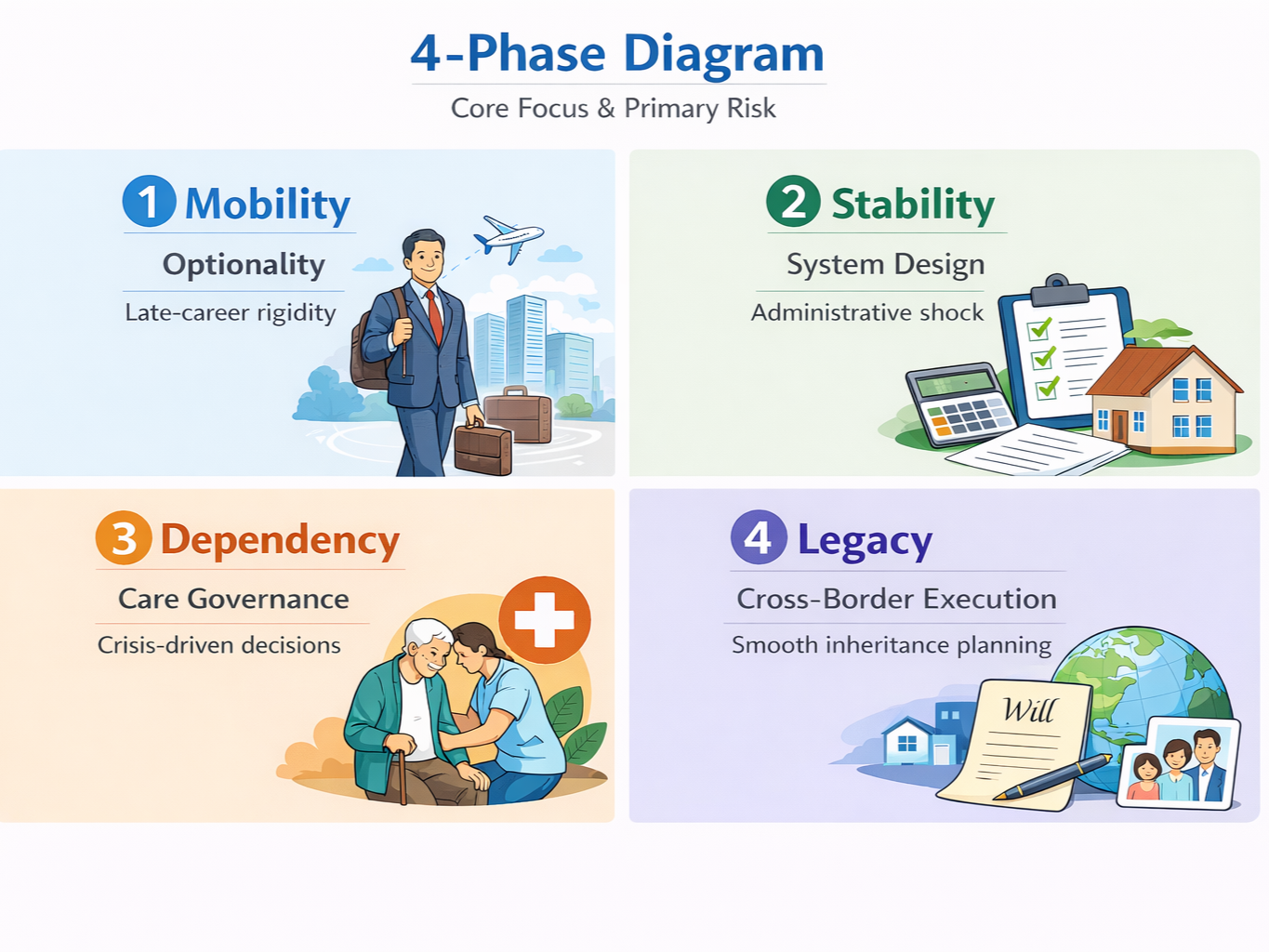
The goal is not to rank cities, but to help you identify which location remains viable across all four phases of retirement.
In this article, we cover:
1. Define Your Retirement Archetype First
2. 6 Structural Factors When Choosing Where to Retire
3. Regional Profiles (Structural Perspective)
4. The 90-Day Reality: Visa Constraints
5. Integrating the Framework: 4 Phases × 6 Structural Factors
6. Wrap Up
1. Define Your Retirement Archetype First
Before evaluating any location, clarify the retirement lifestyle you actually expect.
Different archetypes demand very different infrastructure — and mismatches here often lead to costly relocations later.
Five common retirement archetypes illustrate how infrastructure needs differ.
Dual-Country Retiree
Spends significant time abroad (e.g. 3 -6 months Japan / rest abroad)
Key factors:
Proximity to international airports
Low-maintenance property (minimal upkeep when absent)
Strong global connectivity for family and finances
Urban Active Retiree
Prioritizes cultural access, dining, and walkable daily life.
Key factors:
Excellent public transportation and walkability
Dense cultural and social options
Quick access to major hospitals
Rural Slow-Life Retiree
Seeks space, nature, and a quieter pace.
Key factors:
Affordable housing with room to breathe
Acceptance of car dependency (at least initially)
Healthcare access that holds up even if driving ends
Family-Proximity Retiree
Chooses location based on being near children or extended family in Japan.
Key factors:
Long-term visa/residency stability (critical for continuity)
Proximity to family
Housing that supports family visits
Entrepreneurial / Consulting Retiree
Intends to keep working part-time, consulting, or on boards.
Key factors:
Access to professional networks and business services
Reliable high-speed internet and co-working options
International connectivity for cross-border clients
Defining your archetype early prevents the most common and expensive mistake I see: selecting a place based purely on short-visit emotions or lifestyle photos, without testing it against the realities of aging, health changes, or visa continuity over decades.
This sets the foundation for applying the 4-Phase Model objectively — because what works beautifully in the Mobility phase may collapse in Dependency.
See also:
The Retirement Checklist for Japan (2026 Edition)
How Much to Retire in Japan as an Expat: 2026 Costs, Visas, and Realistic Budgets

2. 6 Structural Factors When Choosing Where to Retire
A retirement location should be evaluated across several structural dimensions. Beyond lifestyle preferences, long-term stability depends on how well local systems function over time.
Housing Cost and Liquidity
Housing affordability is only one dimension when choosing a retirement location. Over decades, housing liquidity often matters more than initial affordability. Unlike the U.S. school-district effect (where higher property taxes often correlate with better schools), Japan's property tax is location/age/size-driven, but properties in urbanization promotion areas add urban planning tax (max 0.3%).
Key evaluation points:
purchase price ranges and regional trends
property tax levels
depth of the rental and resale market - liquidity/resell value
maintenance and repair burdens
housing type (apartment vs. single house)
While the purchase price may appear attractive, selling later may be difficult if the local market is thin.
This becomes important when relocation is triggered by major life events such as:
health issues
the death of a spouse
children relocating
no longer being able to drive
need for proximity to hospitals or public transport
Quick housing type notes:
Single houses offer space/privacy but higher maintenance (roof, garden, seismic retrofits) and potentially slower resale in aging regions.
Apartments/condos reduce upkeep (via management association) but add monthly fees and rely on elevators — critical in Dependency phase. Resale depends on location and building age.
Real story
When we relocated to Japan from the U.S., we evaluated dozens of properties — houses and condos — across urban and suburban areas. We chose one balancing cost, liquidity, and aging-in-place practicality. We sometimes ponder a larger space, but real estate agents still call with buyer interest years later
In retirement, poor liquidity can trigger forced sales at a loss — impacting pension coordination, inheritance plans, or cross-border asset shifts. Always stress-test: "Can I realistically exit this property if mobility declines or family relocates?"
See also:
Leaving Japan Vol.1: Visa, Exit Taxes, Pension Refunds, and What to Do Before You Go
Leaving Japan Vol.2: Practical Steps for a Smooth Departure
Healthcare Infrastructure
Healthcare accessibility becomes a defining constraint as retirement progresses. When evaluating a retirement location, medical infrastructure should be examined carefully.
Key factors include:
number of major hospitals
distance to tertiary care centers
availability of specialist care
likelihood of language support
access to senior care facilities and home-care services
emergency transport time to advanced hospitals
Large metropolitan areas generally offer higher medical density, more specialized treatment options, and relatively better language support.
Japan’s healthcare system is widely regarded as affordable due to the High-Cost Medical Expense Benefit system (高額医療費制度), which caps out-of-pocket medical expenses. However, long-term retirement planning should focus not only on medical costs but also on medical access.
Senior Care Availability
As people age, the availability of long-term care services becomes often more critical than acute care in Dependency phase.
Japan’s senior care system includes or subsidizes several types of support:
in-home care services
day-care programs for seniors
assisted living facilities
nursing care facilities for higher needs
The appropriate option often depends on the individual’s health condition and the level of family involvement.
Real story
Many of my foreign acquaintances in their late 60s and early 70s — still in the Stability phase — have begun proactively searching for a suitable senior care facility, recognizing that Dependency-phase needs can arise unexpectedly. Language support is a frequent priority for those planning long-term, leading them to focus on Tokyo or Kanagawa, where English-capable staff and international-friendly options are more readily available.
See also: Senior Care in Japan: Costs, Choices, and What Foreigners Should Know
For retirement planning, evaluating both healthcare infrastructure and long-term care availability is essential for maintaining quality of life in later years.
Professional Services Ecosystem
Foreign retirees navigating Japan long-term require specialized support for cross-border legal, financial, and administrative systems — from Mobility-phase job/visa transitions through Legacy-phase inheritance and guardianship.
These services concentrate heavily in major metropolitan areas (Tokyo metro, Osaka/Kansai) where international clients are common and English-capable professionals cluster.
Common examples include:
international tax advisors
lawyers or judicial scriveners (司法書士) for estate planning, guardianship, and inheritance
immigration specialists
cross-border financial planners
Remote consultations via online meetings, electronic contracts, and digital filings are increasingly common — allowing access from outside major cities — but in-person needs (e.g., notarized documents, court filings) and advisor continuity remain risks.
Real story
I’ve personally replaced three different tax advisors over the years: one not familiar with global income rules, another who switched firms, and a third who retired. Each transition required vetting new providers amid evolving needs. Relying on a single advisor or a thin local ecosystem created unnecessary stress during critical phases.
In cross-border retirement planning, continuity of professional support can be as important as initial availability — gaps can lead to compliance risks, delayed inheritance, or costly disruptions. Always stress-test: "If my primary advisor retires, relocates, or can't handle a new need (e.g., guardianship in Dependency phase), can I quickly access a stable, experienced network without derailing plans?"
See also: How to Navigate Inheritance, Wills, and Tax in Japan
Transportation and Airport Access
Mobility remains a core factor in retirement planning — Japan's geography and aging process mean needs evolve from independent travel in Mobility phase to reliance on public systems or assistance in Dependency phase.
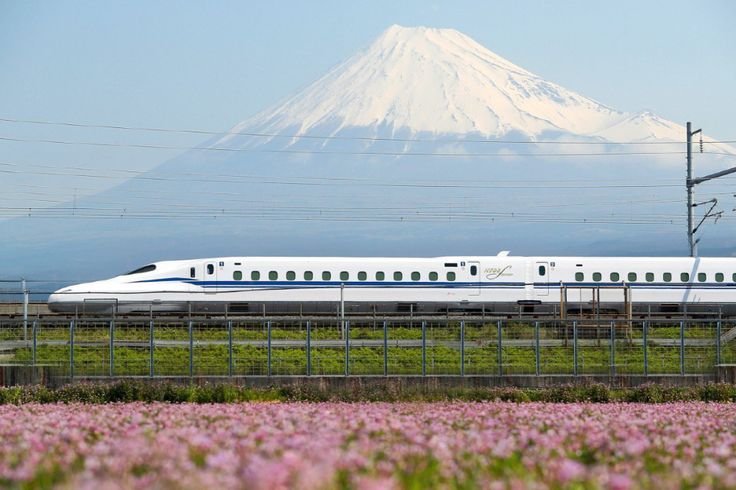
For retirees with international or family ties, proximity to major airports and bullet trains can preserve convenience and quality of life across phases.
Key evaluation points:
distance to international airports
access to bullet trains
reliability of local public transportation
feasibility of emergency or last-minute travel
dependence on driving
alternatives when driving ends (car-sharing, taxis, family support,senior support)
Japan’s license renewal system reflects this transition: drivers aged 70–74 must attend a senior driver safety course, and those aged 75 and older must undergo cognitive testing before license renewal.
At the same time, owning a car involves ongoing costs such as insurance, inspections, parking, and maintenance. In recent years, some retirees have shifted toward occasional car rentals rather than full ownership.
In large metropolitan areas, extensive public transportation networks allow residents to travel easily by train and bus without relying on a car.
When planning for retirement, it is important to consider how mobility will function later in life if driving becomes difficult.
Climate and Disaster Risk
Japan’s geography demands a realistic evaluation of climate conditions and natural disaster exposure when choosing a retirement location — risks such as earthquakes, tsunamis, and typhoons can become life-altering during later phases.
Key factors to consider include:
snow accumulation
typhoon exposure
earthquake resilience of buildings and infrastructure
tsunami or flood risk in coastal and low-lying areas
Japan is one of the most earthquake-prone countries in the world. When evaluating housing safety, the key factor is not simply whether the property is a single house or an apartment building, but rather its seismic resistance rating and year of construction.
In Japan, building safety is often assessed by:
seismic resistance grade (耐震等級)
compliance with modern earthquake-resistant building standards
year of construction (particularly whether it was built under the post-1981 seismic standards)
Location conditions also matter. Ground stability, landform, and surrounding infrastructure can influence disaster resilience. Areas built on reclaimed land or soft soil, for example, may experience stronger shaking during earthquakes.
Other practical considerations include whether nearby roads are wide enough for emergency vehicles during disasters such as fires or earthquakes.
To help residents assess these risks, the Geospatial Information Authority of Japan and local governments provide publicly available hazard maps that identify areas vulnerable to flooding, landslides, tsunamis, and other natural hazards.
These maps can be accessed here:
Example of a local government hazard map (Shinagawa City/Tokyo):
Reviewing these maps before choosing a location can provide a clearer understanding of potential risks.
For retirement planning, evaluating climate and disaster exposure is about understanding how well a location’s infrastructure and housing stock are prepared to manage those risks.
Demographic Trends
Regional demographics play a quiet but powerful role in the long-term stability of local infrastructure, services, and daily life — especially as Japan’s super-aged society continues to evolve.
Key evaluation points:
population decline rates
aging ratios within the community
municipal financial sustainability
hospital consolidation trends
cultural and community compatibility
In areas experiencing rapid population decline, local governments may face increasing financial pressure. Over time, this can lead to consolidation or closure of services such as hospitals, public transportation routes, and retail infrastructure.
Real story
Many foreign resident report that showing respect for Japan — by joining community clean-up days, following garbage sorting rules precisely, and using even basic Japanese phrases — quickly earns warmth and goodwill from neighbors.
As a Japanese person, I’ve observed that we are often simply shy and hesitant to reach out first, worried about bothering others or becoming a burden. This cultural reserve, combined with language barriers and differences in communication style, means deeper friendships don’t happen quickly or frequently — not because of exclusion, but because it takes time, patience, and mutual effort from both sides.
In major cities and their suburbs (Tokyo metro, Kanagawa, Osaka/Kansai), people are more accustomed to foreigners, so initial interactions feel smoother and acceptance builds faster once consistent effort is shown. With time and small, steady steps, meaningful connections do form for those who invest in them. Ultimately, it is not the area itself, but the individuals involved.
Evaluating demographic trends therefore helps assess not only how sustainable its infrastructure and services may be over the long term.
3. Regional Profiles (Structural Perspective)
Rather than ranking locations, the following examples illustrate structural trade-offs across different regions of Japan.
Tokyo – 23 Wards
Strengths
highest hospital density in Japan
deep professional services ecosystem
strong housing market liquidity
access to multiple international airports
Trade-offs
highest housing costs in Japan
relatively high municipal taxes and living costs
smaller average living space
dense urban environment
Best suited for
dual-country retirees
consulting professionals
retirees prioritizing healthcare resilience
Kanagawa (Yokohama / Kamakura)
Strengths
close proximity to Tokyo
strong hospital infrastructure
slightly lower housing costs than central Tokyo
direct airport access via Narita Express (Yokohama/Ofuna)
Trade-offs
still relatively expensive
coastal disaster exposure in some areas
Best suited for
family-proximity retirees
retirees seeking proximity to Tokyo
professionals maintaining Tokyo-based networks
Osaka / Kansai
Strengths
strong urban infrastructure
access to Kansai International Airport
lower housing costs than Tokyo
major cultural and historical centers nearby
Trade-offs
tourism congestion in central Kyoto and Nara
smaller international professional services ecosystem than Tokyo
Best suited for
urban retirees seeking culture and infrastructure
retirees who value a major metropolitan environment outside Tokyo
Fukuoka
Strengths
compact and livable city structure
excellent airport proximity
growing regional economy
moderate housing costs
Trade-offs
smaller pool of international professional services
typhoon exposure in some seasons
Best suited for
active retirees preferring mid-sized cities
retirees seeking urban convenience with a slower pace
Nagano (Mountain Regions)
Strengths
relatively low housing costs
strong natural environment
slower pace of life
Bullet train access to Tokyo
Trade-offs
winter logistics and snow conditions
limited tertiary hospitals in rural areas
fewer internationally oriented professional services
Best suited for
rural retirees who have carefully stress-tested healthcare access
Hokkaido
Strengths
spacious living environments
lower housing prices
strong nature-oriented lifestyle
Trade-offs
harsh winters and snow conditions
geographic distance from major economic centers
specialized medical care concentrated in Sapporo
Best suited for
independent retirees with strong mobility planning

4. The 90-Day Reality: Visa Constraints
Japan does not offer a dedicated retirement visa (as of March 2026). Foreign residents planning long-term or retirement in Japan must therefore build their location choices around a viable residency pathway.
Common options include:
Spouse or family visas (dependent on marriage)
Long-Term Resident status (specific humanitarian or family cases)
Permanent Residency (PR) pathways
Business Manager / Investor visas (if maintaining side consulting or investments)
Repeated short-term visa-exempt stays (90 days per entry for most nationalities; extensions or visa runs possible but scrutinized if patterns suggest de facto residency)
NOTE: Japan is considering revisions to the Immigration Control Act that could significantly increase immigration-related fees. The proposal would raise the maximum fee for status-of-residence changes or renewals to JPY100,000, and the maximum fee for Permanent Residency applications to JPY300,000, with the exact amounts to be set by government ordinance in the future. The proposal has not yet been enacted.
Choosing a location without first securing (or stress-testing) a sustainable visa/residency strategy can lead to sudden instability — forced departures, gaps in healthcare/pension eligibility, or emergency relocations that disrupt family continuity and cross-border plans.
5. Integrating the Framework: 4 Phases × 6 Structural Factors
Retirement planning is not static. Needs evolve over time.
Earlier sections introduced 6 structural factors that affect the long-term sustainability of a retirement location:
Housing Cost and Liquidity
Healthcare Infrastructure
Professional Services Ecosystem
Transportation and Airport Access
Climate and Disaster Risk
Demographic Trends
At the same time, retirement itself tends to evolve through four phases:
See also: The 4 Phases of Retirement in Japan: A Framework for Foreign Residents Planning Long-Term Life
When evaluating a location, it can be helpful to consider how each structural factor performs across these phases.
The following matrix integrates these two dimensions — life phases and structural conditions — to provide a more systematic way to evaluate potential retirement locations.
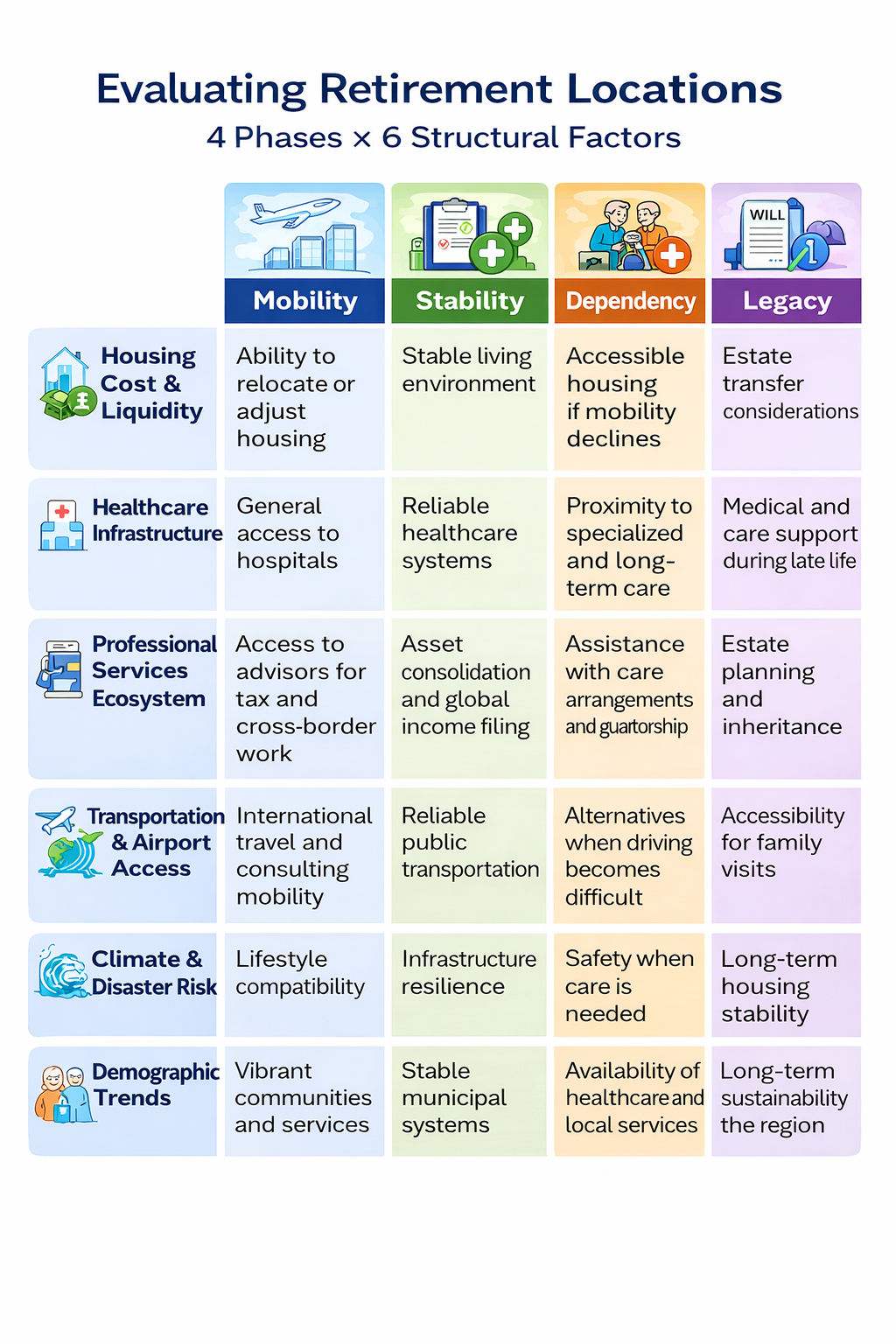
The goal is not to predict the future perfectly, but to ensure that a location remains viable as life circumstances change.
6.Wrap Up
There is no single “best place” to retire in Japan. Even after careful analysis and serious consideration, the final choice will rarely be perfect.
Choosing where to live should therefore be treated less as a lifestyle decision and more as a long-term infrastructure choice.
A structured evaluation today can help prevent costly relocation decisions later in retirement.
If you have any questions or experiences to share, please leave a comment.
If you found this article helpful, please consider sharing it with friends, family, or colleagues who may also be planning their future in Japan.
