

How to Access Medical Care in Japan as a Foreigner: Complete 2026 Guide
(Original post March 29,2025, Updated February 17,2026)
Getting sick or injured is stressful anywhere. It becomes even more challenging when you are living abroad and don’t fully understand how the local medical system works. Many foreigners in Japan worry about where to go, what to bring, whether they can communicate with doctors, or how much treatment will cost.
The good news: Japan’s healthcare system is reliable, accessible, and affordable compared with many countries. But the process is different from what many expats expect.
This guide explains how medical care works in Japan and what long-term foreign residents need to know before they need it.
What This Article Covers
1. What you need before seeing a doctor
2. Clinics vs hospitals — where should you go?
3. How to find medical facilities
4. Visiting a clinic
5. Visiting a hospital
6. Pharmacies and medication
7. Medical costs and payment rules
8. Hospitalization differences vs other countries
9. Typical pain points foreigners face
10. Q&A
11. Wrap Up

1. What You Need Before Getting Medical Care
Before visiting a clinic or hospital in Japan, make sure you have your My Number Card and have completed enrollment in public health insurance.
My Number Card
The My Number Card is a government-issued ID card with an embedded IC chip used for:
Medical insurance verification at clinics and hospitals
Tax and social security procedures
Banking and identity confirmation
How to Get a My Number Card
Apply after registering your residence at City Hall
Card issuance usually takes about one month
You must pick it up in person with identity verification
Your employer also needs your My Number for salary and tax reporting, so it is best to apply as soon as possible.
NOTE: As of December 2025, traditional prastic health insurance cards are no longer issued and generally expired; many facilities accepted them transitionally until March 2026. Use your My Number Card (registered for health insurance) as the primary method now.
Health Insurance in Japan
Japan has universal health coverage. Anyone living in Japan long term must enroll in one of two public health insurance systems.
📄Employer Health Insurance (Kenko Hoken)
If you work full-time or meet eligibility conditions, your employer enrolls you automatically.
Key points:
Coverage usually starts from your employment start date
Dependents can also be covered under your plan
See also -> Japan's Mandatory Health Checkups for Foreign Workers: What's Required, Costs, and English Support
📄National Health Insurance (Kokumin Kenko Hoken)
If you are self-employed, a student, unemployed, or otherwise not covered by employer insurance, you must enroll in National Health Insurance.
Enrollment is done at your local City Hall.
Important rules:
Residents staying in Japan longer than 3 months must enroll
Registration should be completed within 14 days after moving into your residence
Short-term visitors cannot join
Premium amounts vary depending on income and municipality.
Insurance Gap & My Number Timing — What Happens If You Get Sick Early?
Due to insurance enrollment and My Number Card issuance timing, some residents face a temporary coverage gap. Two situations are possible:
A. If insurance enrollment is already in process
For example, you have started employment or registered at City Hall.
Tell medical staff your insurance enrollment is in process
You may need to pay the full cost temporarily
After coverage becomes active, you can usually claim reimbursement of the insured portion
B. If you are not yet eligible to enroll
For example:
Employment has not started yet
Resident registration is not completed
You have not secured a permanent address
In this case:
Medical costs must be paid fully out of pocket
Reimbursement is generally not available
Practical Advice for New Arrivals
To avoid unexpected expenses:
Keep travel or private medical insurance active when first arriving in Japan
Maintain coverage until public insurance enrollment is complete
NOTE: Travel insurance coverage can be tricky. Many policies only cover new or unexpected medical conditions and may not cover pre-existing or chronic conditions. Make sure your coverage is sufficient for your needs before traveling.
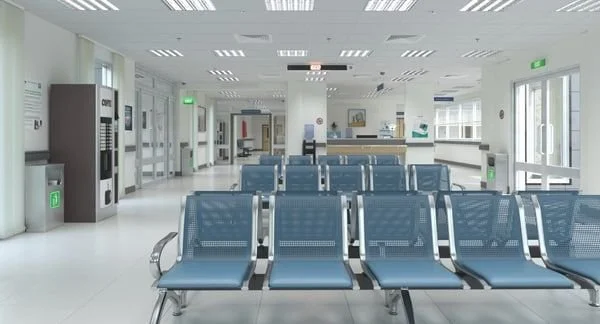
2. Clinic vs Hospital — Where Should You Go?
Medical care in Japan usually starts at a local clinic, while in countries like the U.S., patients often go directly to primary care offices or large medical practices connected to hospitals.
In Japan, especially in urban areas, people usually visit a clinic first rather than going directly to a hospital. In rural areas, however, where clinics may be limited, residents go directly to regional hospitals.
Clinics (Doctor’s office)
Clinics in Japan usually specialize in a single field such as internal medicine, gynecology, psychiatry, orthopedics, dermatology, or dentistry. Some medium-sized clinics offer multiple specialties.
Appointments are common, but many clinics also accept walk-in patients. If you feel very unwell, it is recommended to call ahead to confirm availability.
If further testing or specialist treatment is needed, the clinic doctor prepares a referral letter (doctor’s note) and directs you to an appropriate hospital or specialist. Doctors usually recommend suitable facilities, but if you already have a preferred hospital or doctor, you can request a referral there.
Hospitals
Hospitals — especially university hospitals or large regional hospitals — are generally intended for more acute, serious, or complex cases requiring advanced testing, surgery, or hospitalization.
Appointments are usually required, but even with an appointment, patients may still need to wait for a long time.
At large hospitals with 200 or more beds — including major regional hospitals and university hospitals — patients who visit for an initial consultation without a referral letter are required to pay an additional fee on top of the normal consultation charge.
This additional fee, known as a special medical service fee, is typically JPY 5,000 - 7,000 and may be higher depending on the hospital.
The purpose of this system is to encourage patients to first visit local clinics for routine care, allowing large hospitals to focus on specialized and advanced treatments.
For this reason, the typical path in Japan is:
Clinic → Referral → Hospital
Good News About Waiting Times
Japan generally has short waiting times compared with some countries:
Same-day appointments maybe possible
Specialist appointments within weeks
Rarely months-long waits
Emergency Situations
Call 119 for an ambulance in an emergency. Ambulance transport is free and should be used only for urgent situations.
Call#7119 (“sharp seven-one-one-nine”): If unsure, call #7119 for medical advice (generally 24/7). Availability and language support vary by region.
Call #8000 (“sharp eight-zero-zero-zero”): For children’s sudden illnesses, call #8000 for pediatric advice. Hours and language support vary by prefecture.
Visit a nearby emergency room: If the situation allows, you can also go directly to a nearby hospital emergency department. Some hospitals may have limited night or weekend staffing, so waiting times can vary.
Holiday & night clinics: Information about clinics and hospitals open during nights, weekends, and holidays is often listed on City Hall or municipal government websites. It is a good idea to check this information in advance, before an emergency happens. Note that the medical facility on duty usually changes on a rotating schedule, so the location may differ each time.
See also -> Japan ER Guide: Medical Emergencies for Expats
No Insurance Networks
Unlike HMO or PPO systems in some countries, Japan’s public health insurance does not use provider networks or restrict where you can receive treatment. You can visit any clinic or hospital regardless of your insurance provider.
Also, Japan does not separate insurance into categories like medical, vision, or dental plans. Most treatments are covered under the same public health insurance system, although some services and advanced procedures may not be fully covered.
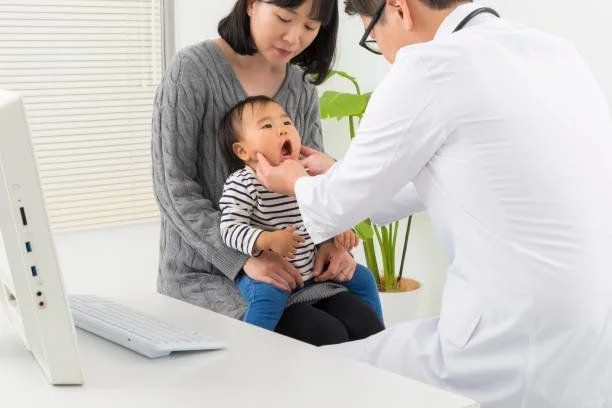
3. How How to find medical facilities
Common ways foreigners find doctors include:
Asking friends or colleagues
Searching online reviews and maps
Using English-speaking hospital directories
Checking local government medical information websites
Walking into a nearby clinic
Search tip: Many residents simply use Google Maps. Try searching by specialty plus language, for example: “internal medicine English near me” or “dermatologist English Tokyo.”
Once you find a clinic or hospital:
Call or book an appointment online
Mention if you have a referral letter
Ask whether language support is available
Useful Medical Facility Search Links
Japan Medical Service Information Network (Ministry of Health, Labour and Welfare)
Search medical institutions nationwide. English interface available.
Japan Hospital Search
English-language directory for hospitals and clinics across Japan.
JMIP Certified Medical Institutions Search
Lists hospitals and clinics certified for accepting international patients.
Medical Questionnaire Forms
At both clinics and hospitals in Japan, you will be asked to complete a medical questionnaire before seeing a doctor. These forms typically ask about your symptoms, medical history, allergies, and medications, so be prepared to provide this information.
If you have medical records, prescriptions, or test results from your home country, it is helpful to bring them, especially if you have chronic conditions such as heart disease, diabetes, asthma, high blood pressure, or ongoing treatments. Having this information helps doctors understand your condition more quickly and provide appropriate care.
For reference, the Ministry of Health, Labour and Welfare provides multilingual medical questionnaire forms that you can review.
Multilingual Medical Questionnaire Forms (Ministry of Health, Labour and Welfare)
4. Visiting a Clinic
Clinics are usually straightforward.
Typical flow:
A. Check in at reception
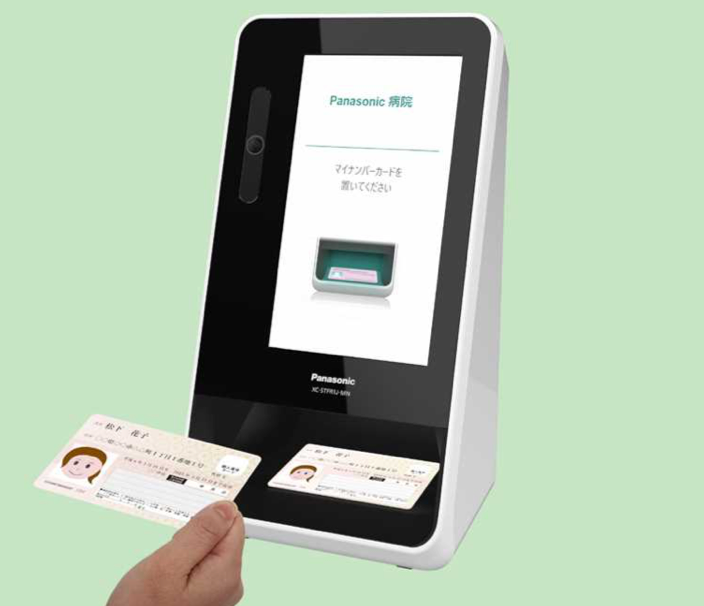
B. My Number Card check in (->See the picture of white device below)
C. Fill out medical questionnaire, if required
D. Wait for consultation
E. See doctor
F. Pay co-payment
G. Receive prescription
H. Visit pharmacy
Many clinics operate efficiently, though waiting rooms can still be crowded.
Important Tax Tips
In Japan, you may qualify for a medical expense tax deduction if your household’s total medical expenses paid between January and December exceed JPY 100,000 in one year.
The amount exceeding this threshold (up to JPY 2,000,000) can be deducted from taxable income, or if your income is below JPY 2,000,000, expenses exceeding 5% of income may qualify instead. Medical expenses of family members sharing the same household budget can be combined.
Keeping receipts organized throughout the year will make tax filing much easier.
5. Visiting a Hospital — More Steps
Hospital visits in Japan can be more complex than clinic visits, even for Japanese patients.
A typical process looks like this:
A. Registration and insurance verification at the main reception
B. Submit your referral letter (if you have one)
C. Check in at the reception desk of the relevant department
D. Fill out a medical questionnaire if required
E. Wait for consultation
F. See the doctor
G. Undergo tests if needed (such as blood tests, blood pressure measurement, X-ray, ultrasound, etc. From the second visit onward, tests are often done before seeing the doctor.)
H. Review test results with the doctor
I. Complete checkout procedures
J. Pay the co-payment
K. Receive a prescription if needed
L. Visit a pharmacy to collect medication
Each hospital operates differently, and reception procedures can be confusing, so do not hesitate to ask staff for help.
Practical Tip for Hospital Visits
At large hospitals, tests such as blood work can become very crowded. If blood tests are required before your consultation, arriving early is recommended, as waits of an hour are common and delays can sometimes cause you to delay your scheduled appointment.
6. Pharmacies and Medication
In Japan, prescriptions are usually filled at separate pharmacies located outside hospitals or clinics.
Typical steps:
1. Bring your prescription to a pharmacy
2. Present your medication record booklet (Okusuri Techo) or pharmacy app, if you have one
3. The pharmacist explains how to take the medication and possible precautions
4. Make payment at the pharmacy
Pharmacists in Japan often provide detailed instructions and check for possible drug interactions.
Compared with some countries, doctors in Japan tend to prescribe medications more conservatively, especially antibiotics.
Related article:
Bringing and Refilling Chronic Medications in Japan: What We Learned the Hard Way
(Pharmacy record booklets and generic vs. brand-name medication are explained in detail.)

7. Medical Costs in Japan
One of the biggest advantages of living in Japan is that healthcare costs are generally affordable compared with many other countries. Public health insurance helps keep medical expenses predictable and manageable.
Health Insurance Premiums
📄Employer Health Insurance (Kenko Hoken)
If you are enrolled through your employer:
Insurance premiums are shared roughly 50/50 between employer and employee
Premium amounts are based on income
Payments are automatically deducted from monthly salary
Dependents can also be covered under this plan.
📄National Health Insurance (Kokumin Kenko Hoken)
For those not covered by employer insurance, National Health Insurance is managed by local governments.
Key points:
Premiums vary depending on income, age, municipality, and number of insured family members
Because each municipality sets its own rates, costs differ across cities and towns
Payments are usually divided into 10 installments per year, typically paid from June to the following March
Payment methods vary by municipality and may include bank transfer or payment slips.
Co-payment System
Patients pay a portion of medical costs at the time of treatment, while insurance covers the rest.
Standard co-payment rates:
Under 6 years old: 20%
(However, many municipalities provide subsidies that reduce or eliminate this cost. Application for a child medical subsidy card is usually required; details vary by municipality.)Age 6–69: 30%
Age 70–74: usually 20%
Higher-income seniors: 30%
The remaining medical cost is covered by insurance.
Because child subsidies vary widely, check your City Hall website or office for local rules.
High-Cost Medical Expense Benefit 高額療養費制度
If medical expenses become very high, monthly out-of-pocket costs are capped based on income. Costs exceeding this limit can be refunded through application.
Since claims are usually processed monthly, an application may be required for each applicable month.
If high medical expenses are expected in advance (for example, surgery or hospitalization), it is convenient to obtain and present a Certificate of Maximum Copayment Limit, which reduces the amount you need to pay upfront.
Sick Leave Allowance (Employer Health Insurance Only) 傷病手当金
Employees covered under Employer Health Insurance may receive a Sickness and Injury Allowance if they cannot work due to illness or injury unrelated to work and must take unpaid leave.
Payment can continue for up to 18 months in total
Application procedures are usually handled through the employer’s HR department and require medical documentation
Japan’s public insurance system and financial protections help prevent catastrophic medical debt and allow residents to access medical care without fear of overwhelming costs.
8. Hospitalization Differences vs Other Countries
Foreign residents often notice several differences when staying in hospitals in Japan compared with hospitals in other countries.
Hospital stays tend to be longer in Japan. For example, childbirth hospitalization is often 1–2 days in the U.S., while in Japan it is typically around 5 days. Depending on the condition and recovery needs, some patients may remain hospitalized for several weeks or longer.
Planned surgeries typically start during regular daytime hours, rather than very early in the morning, unless the case is urgent.
Shared rooms are common unless a private room is requested, which usually requires an additional fee.
Hospital Meals
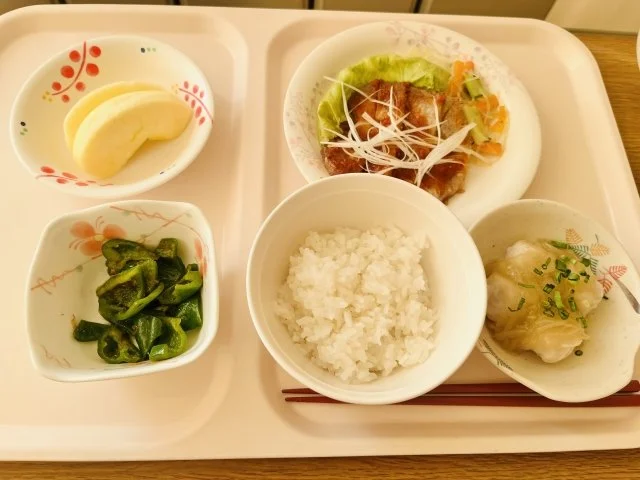
Hospital meals are provided as part of inpatient care and are designed according to medical needs.
Standard meals are served three times a day; some hospitals allow simple choices such as meat or fish.
Special medical diets, including diabetic or low-sodium meals, are available when needed.
Soft or easy-to-digest food options are provided for recovering patients.
9. Typical Pain Points Foreign Residents Face
Even with good healthcare, foreign residents may face challenges when seeking medical care in Japan.
Language Barriers — Possible Solutions
Large hospitals may offer medical interpreters or remote interpretation services.
Use translation apps or devices such as Pocketalk to assist communication.
Prepare a short summary of your medical history and medications if you have chronic conditions.
When making an appointment, ask whether language support is available.
Communication with Doctors
Some patients hesitate to speak up.
Tips:
List up questions before seeing a doctor
Speak up about pain or concerns.
Ask nurses if you have concerns
Request doctor change if needed
Ask for explanations until clear
Cultural Differences
Dietary preferences or restrictions may be accommodated if you inform the hospital in advance.
If your religion or cultural background requires minimizing physical exposure or treatment by a female doctor, request this when making your appointment.
If you have restrictions regarding blood transfusions, vaccinations, or treatments, provide written instructions in advance.
Pain management practices may differ, so discuss pain control openly with your doctor.
See also ->Pain Control in Japan: Why So Little Medication, and What’s Changing

10. Q&A
Q1: I’m not sure which medical department I should visit.
A1: If you are unsure, start with an internal medicine clinic. The doctor can evaluate your condition and provide a referral to a specialist if needed. If your symptoms do not improve or you feel your concerns are not being addressed, consider seeking another doctor or requesting a referral more directly.
Q2: Can I use prescriptions from my home country in Japan?
A2: No. It can be good referrence, but Japanese doctors usually review your condition and issue a local prescription based on Japanese regulations and available medications.
Q3: Can I get a second opinion in Japan?
A3: Yes. To receive a second opinion, you normally inform your current doctor that you would like another medical opinion and request a referral letter along with relevant medical records or test results (such as imaging or blood test data). These documents help the new doctor provide an informed opinion.
Q4: Can I choose which hospital or specialist to visit?
A4: Yes. Patients in Japan have freedom to choose clinics and hospitals and doctors. However, large hospitals often require a referral letter, or may charge additional fees without one.
Q5: What should I bring when visiting a doctor for the first time?
A5: Bring your My Number Card, residence card, a list of medications you take, allergy information, and any previous medical records or test results if available. If you are concerned about language barriers, prepare translation support or written explanations in advance. For medical tests, you may be asked to remove accessories or clothing with metal parts or zippers, so dressing simply can help.
Q6: What should I do if my symptoms do not improve after treatment?
A6: Return to the doctor for follow-up, request additional tests or a referral, or consider consulting another doctor if you feel your concerns are not being fully addressed.
11. Wrap Up
Living in another country always involves some uncertainty. But when it comes to healthcare, Japan offers one of the safest systems in the world.
Understanding how to access it gives you peace of mind — and that makes life here much easier.
If you have experiences, tips, or questions about receiving medical care in Japan, please share them in the comments — your insights may help others navigating the same situation.
And if you found this guide helpful, feel free to share it with friends, family, or colleagues who are living in or planning to move to Japan.
See also
You Need CPAP in Japan? No Problem – Here's How
Prevention Is Better Than Cure: How to Prevent Mental Health Issues at Work in Japan
Adjustment Disorder in Japan: How to Navigate Work, Stress, and Your Rights
References
Japan’s Guidelines for Medical Facilities Accepting Foreign Patients (MHLW)
Multilingual Medical Questionnaire Forms
Emergency Medical Guidance Information
Government Online – My Number & Health Insurance Updates
